
Potassium Silicate Manufacturer & Supplier in China | Liquid, Powder & Solid
Professional potassium silicate manufacturer in China. Supply liquid potassium silicate, powder potassium silicate and solid potassium silicate for agriculture, coatings, concrete hardeners and welding electrode.
300,000 MT/Year
Stable mass production
Modulus ±0.05
Strict batch consistency
Custom K₂O/SiO₂
Tailored to your formula
Export Ready
MSDS & COA certified
What Is Potassium Silicate?
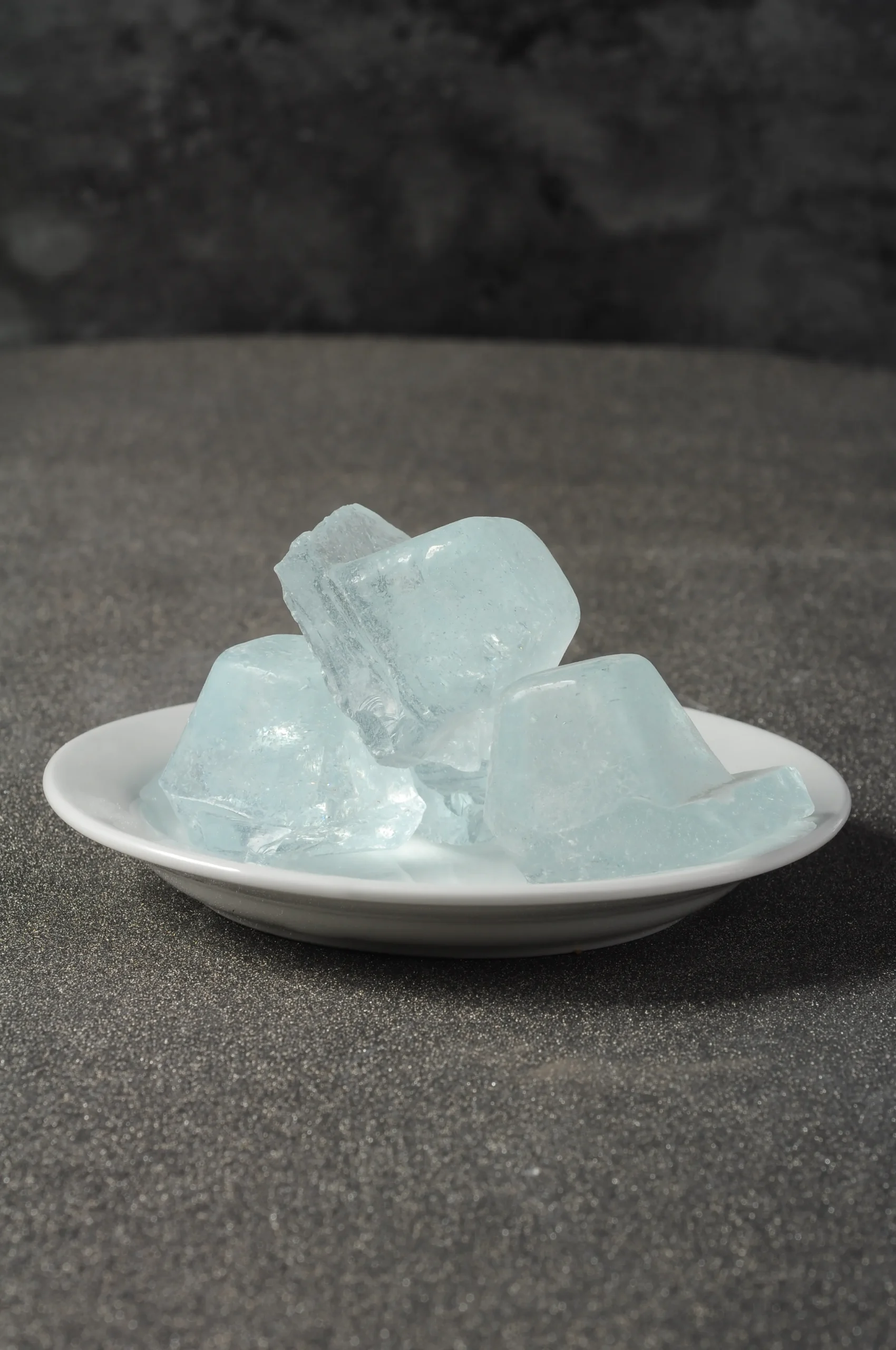
Potassium silicate is an alkaline, water-soluble inorganic polymer synthesized by fusing high-purity silica sand with potassium carbonate at temperatures exceeding 1100°C. Unlike sodium-based alternatives, it exhibits zero efflorescence (no white salt bloom) when drying.
When applied in concrete densification or inorganic zinc-rich coatings, the silicate reacts with free calcium hydroxide to form an insoluble calcium silicate hydrate (C-S-H) gel matrix, permanently sealing pores while remaining vapor-permeable.
Available Product Forms
We manufacture three distinct physical forms to accommodate different mixing equipment, transport constraints, and end-use applications.
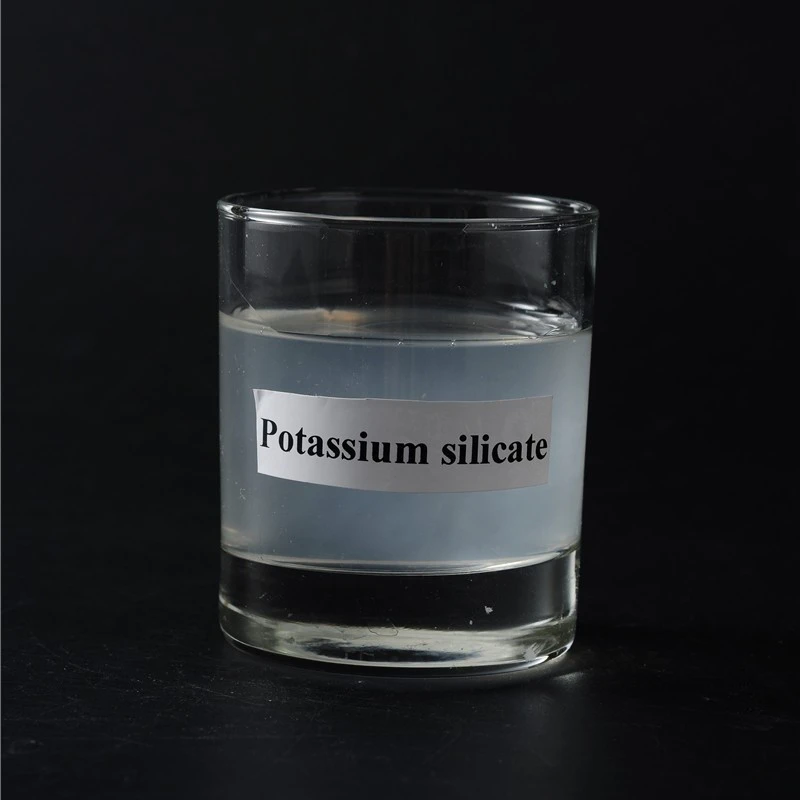
Potassium Silicate Solution
35-40% solid content with viscosity ranging from 100-400 cps. Filtered through 5-micron meshes to ensure a transparent, sediment-free liquid. Ideal for direct injection into liquid fertilizer blending tanks or architectural coating mixers without pre-dissolution.
- Ready for immediate mixing
- Eliminates dust hazards
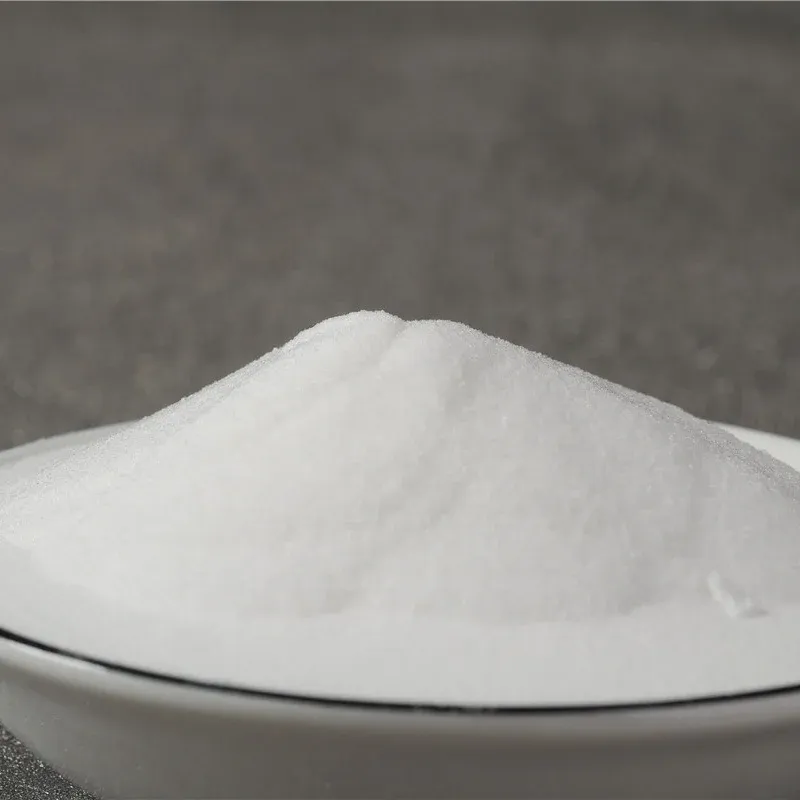
Instant Powder
Spray-dried amorphous powder with 99% passing through a 100-mesh sieve. Moisture content strictly controlled under 2%. Drastically reduces ocean freight costs by eliminating water weight. Essential for dry-mix refractory mortars and powdered fertilizers.
- Cuts shipping volume by 60%
- Rapid cold-water dissolution
Glass Lumps (Cullet)
Solid, glass-like transparent or semi-transparent lumps. Serves as the primary raw material for regional silicate dissolvers equipped with high-pressure autoclaves (operating at 150°C+). The most cost-effective form for massive bulk procurement.
- Lowest cost per MT of solid
- Indefinite shelf life in dry storage
Standard Technical Specifications
Below are standard parameters for our most requested liquid grades. We operate adjustable furnace lines, allowing us to customize the molar ratio (modulus) and solid content to precisely match your chemical formulation requirements.
| Parameter | Grade A (Coatings) | Grade B (Agriculture) |
|---|---|---|
| Appearance | Clear, viscous liquid | Clear to slightly turbid |
| Modulus (SiO₂/K₂O) | 3.2 - 3.4 | 2.0 - 2.5 |
| K₂O Content (%) | 8.0% - 9.0% | 12.0% - 14.0% |
| SiO₂ Content (%) | 20.0% - 22.0% | 24.0% - 26.0% |
| Density (20°C, g/cm³) | 1.25 - 1.30 | 1.35 - 1.45 |
| pH Value | 11.0 - 12.0 | 11.5 - 12.5 |
Industrial Applications
Engineered for specific chemical interactions across agriculture, construction, and heavy industry.
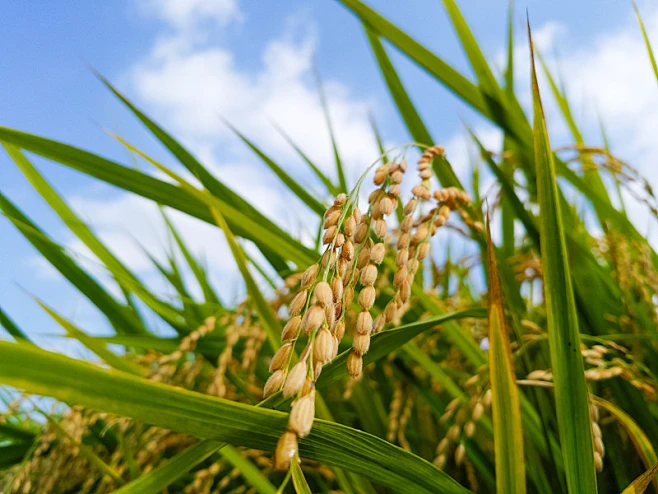
Silicon Fertilizer Base

Inorganic Mineral Coatings
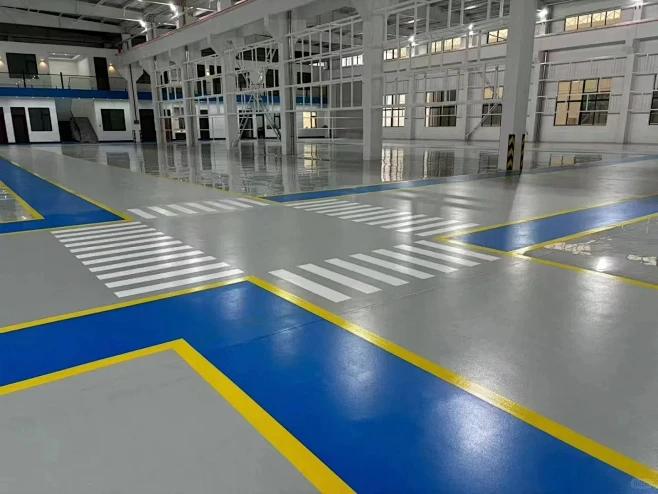
Concrete Hardener
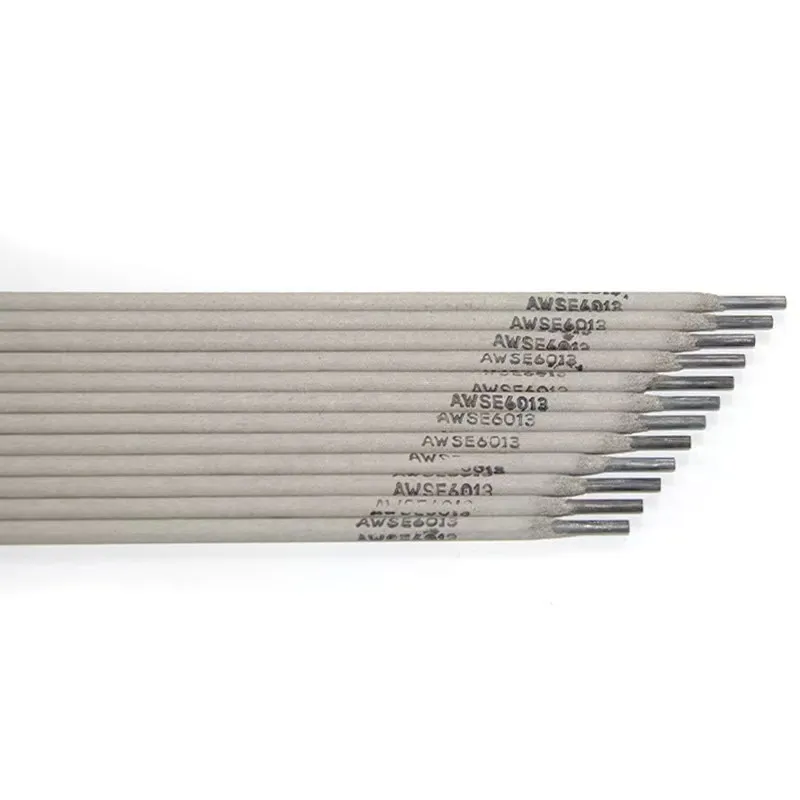
Welding Electrode Binder
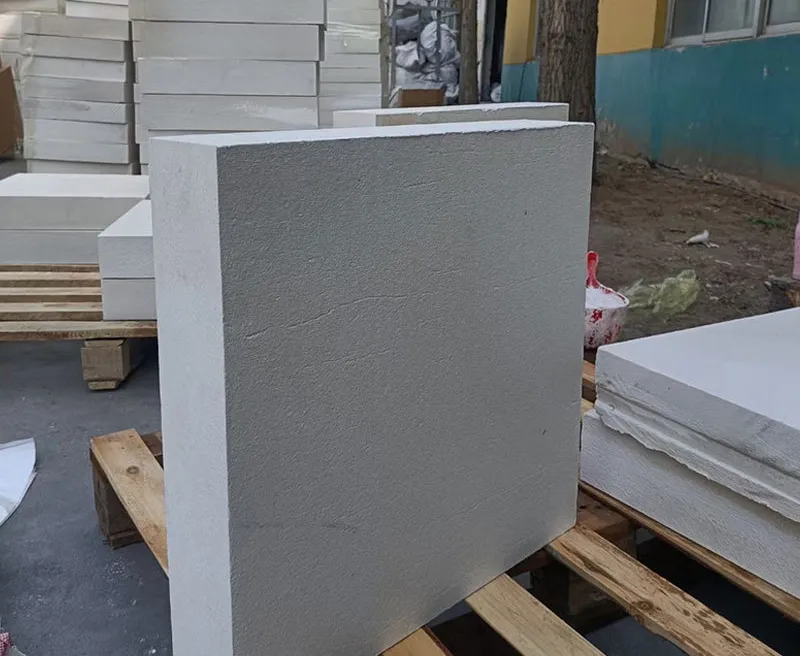
Fire Resistant Materials
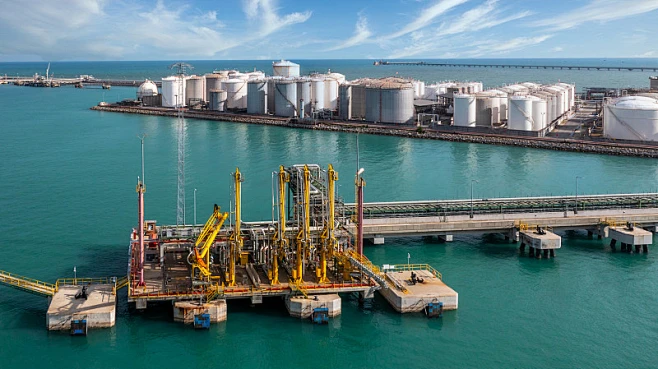
Metal anti-corrosion coating
Potassium vs. Sodium Silicate
While sodium silicate is cheaper, potassium silicate offers distinct chemical advantages that are mandatory for specific high-end applications.
| Property Requirement | Potassium Silicate | Sodium Silicate |
|---|---|---|
| Efflorescence (Salt Bloom) | Zero (Forms K₂CO₃ which is highly soluble) | High (Forms white, insoluble Na₂CO₃ crusts) |
| Agricultural Value | Excellent (Provides essential K nutrient) | Harmful (Adds toxic Na+ ions to soil) |
| Refractory Binding Temp | Higher melting point | Lower melting point |
| Solubility Rate | Faster dissolution in cold water | Slower, requires heat |
Export Packaging & Logistics
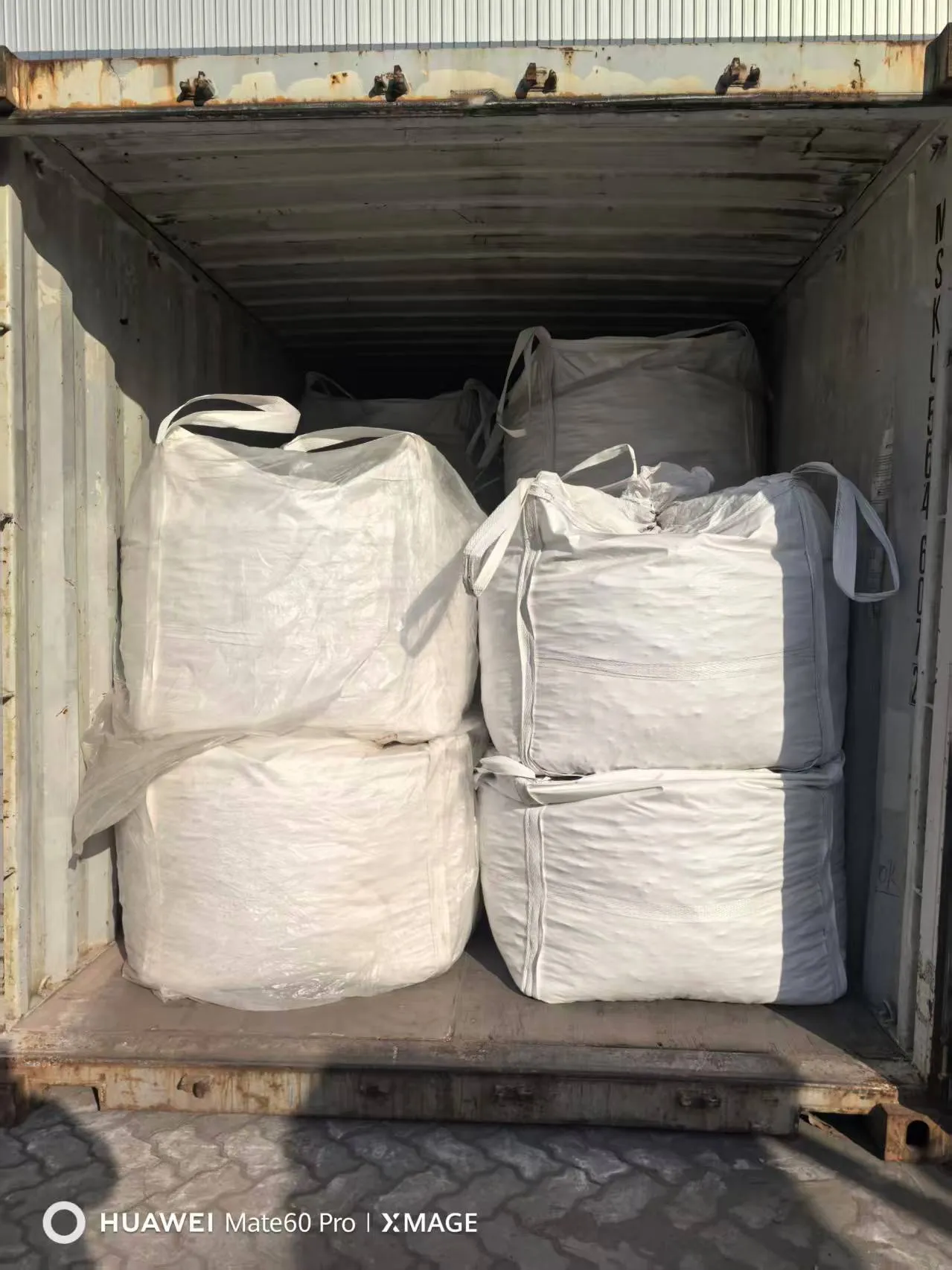

Standardized for Global Transit
We configure packaging based on your unloading equipment (forklifts, pump stations) and ocean freight optimization to maximize payload per 20ft container.
Liquid Packaging
- • 1250kg / 1350kg IBC Tanks
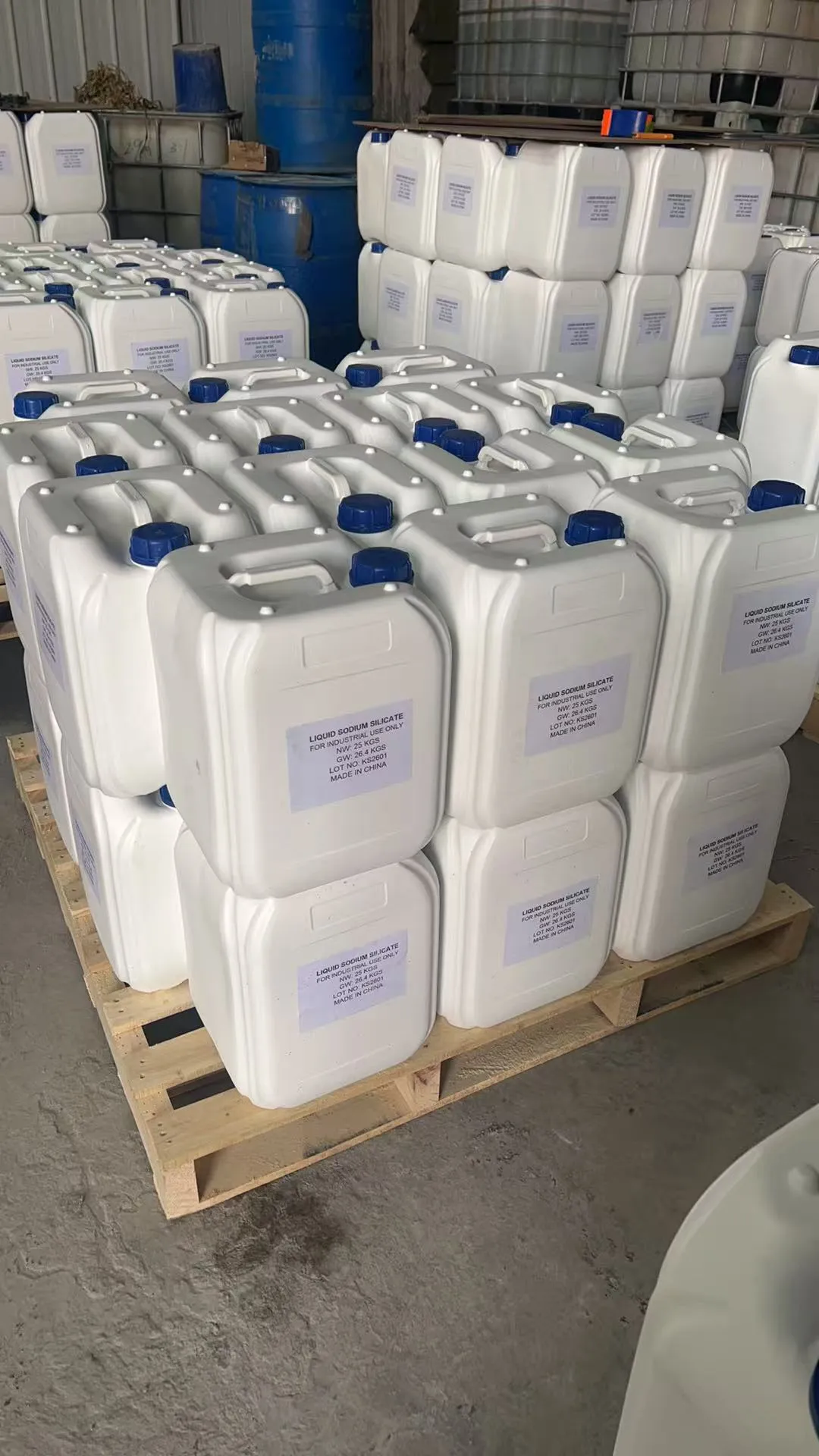
- • 25kg Plastic Drums
- • 24-25 MT Flexitanks
Powder & Lump Packaging
- • 25kg Paper Bags
- • 1000kg Jumbo Bags
- • Shrink-wrapped & Palletized
Available Services: OEM Labeling, Custom Printed Bags, Wooden Pallets.

Why Choose Our Potassium Silicate
Stable Quality
Adjustable modulus 2.0–4.0
Multiple Product Forms
Liquid/POWDER/LUMP
OEM Packaging
25kg/JUMBO BAG
Fast Delivery
sample 7-14 Days Lead Time
Related Products
Explore our comprehensive range of high-quality industrial chemicals designed to meet your enterprise manufacturing needs.
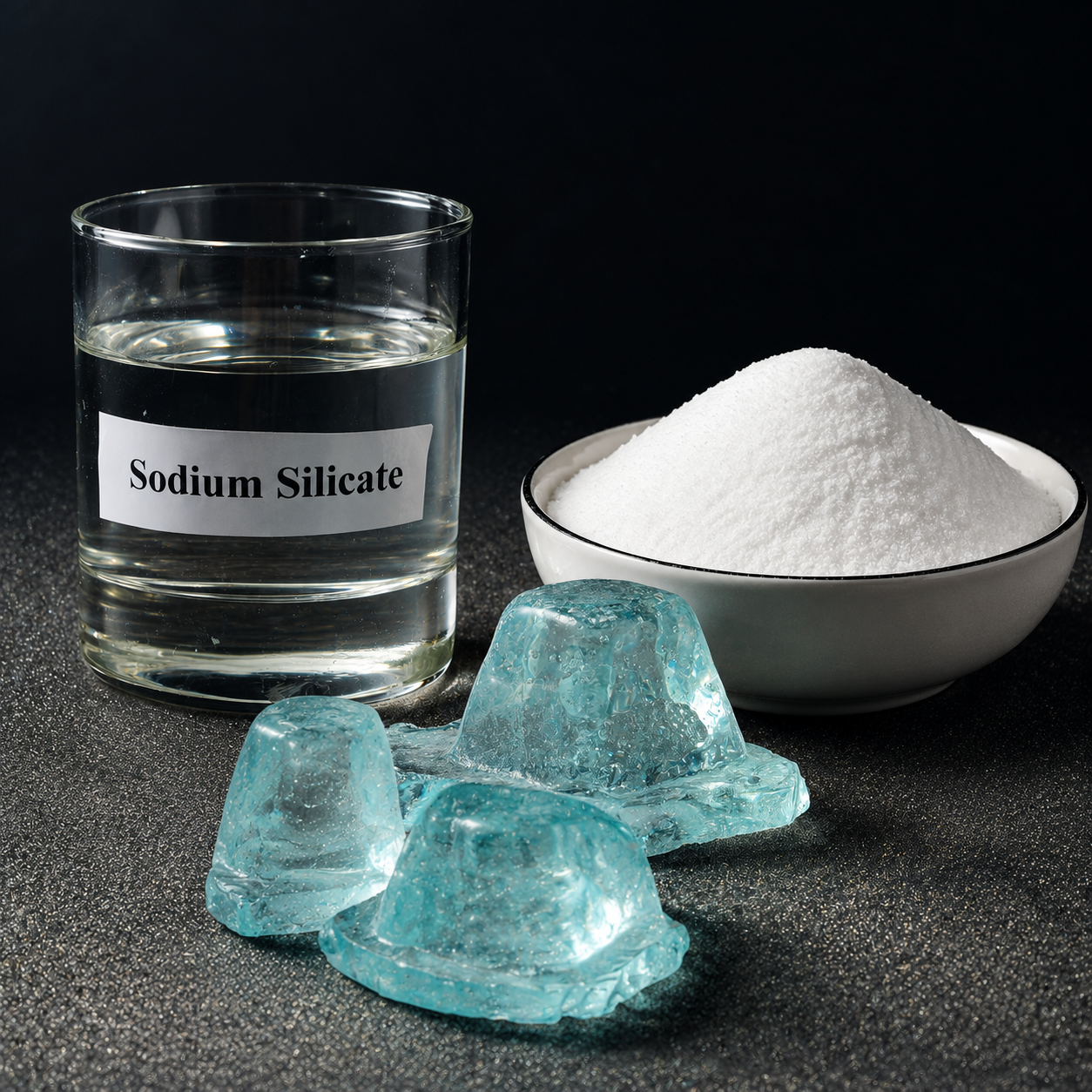
Sodium Silicate
View Details
Sodium Sulphate
View Details
Silica
View Details
Soda Ash
View Details
Aluminum Sulphate
View Details
PAC
View DetailsTechnical FAQs
Common questions from procurement engineers and formulation chemists.
How do I choose the correct potassium silicate modulus for my application?
Is potassium silicate compatible with other fertilizer nutrients?
What is the shelf life of the liquid vs. powder forms?
How is your potassium silicate price determined for bulk orders?
Looking For A Reliable Potassium Silicate Supplier?
Secure your supply chain with direct manufacturer pricing. Get lab samples for approval and full Technical Data Sheets (TDS) for your formulation testing.
Email Sales
info@changschem.com
Call or WhatsApp
+86 186 6063 0765
Location
WEIFANG CITY, SHANDONG PROVINCE, CHINA