
Lithium Silicate Manufacturer & Supplier
Lithium Silicate is a high-performance concrete densifier and sealer widely used in polished concrete floors, industrial flooring, and construction materials to improve hardness, durability, and dust-proof performance.
Low Viscosity Formulation
Engineered for maximum capillary penetration in dense concrete matrices.
Reduced Efflorescence
Minimizes surface whitening compared to traditional sodium silicate alternatives.
Alkali Resistance
Provides long-term floor protection against water and industrial chemicals
Why Choose Lithium Silicate?
Addressing specific challenges in commercial flooring and construction material manufacturing with predictable chemical reactions.
Deep Penetration
For machine-troweled concrete floors where surface tension limits standard sealers, our low molecular weight lithium silicate penetrates up to 5mm, ensuring internal structural densification rather than just a surface film.
Increased Hardness
In heavy logistics centers facing continuous forklift traffic, the chemical reaction forms insoluble calcium silicate hydrate (C-S-H), improving Mohs hardness from 3-4 to 7-8, drastically reducing wear.
Chemical Resistance
The resulting dense surface minimizes the ingress of water, oils, and mild acids, making it an essential treatment for automotive workshops and chemical processing facilities.
Environment Friendly
Meeting strict indoor air quality standards, our water-based lithium silicate formulation contains Zero VOCs, allowing application in operational facilities without halting production.
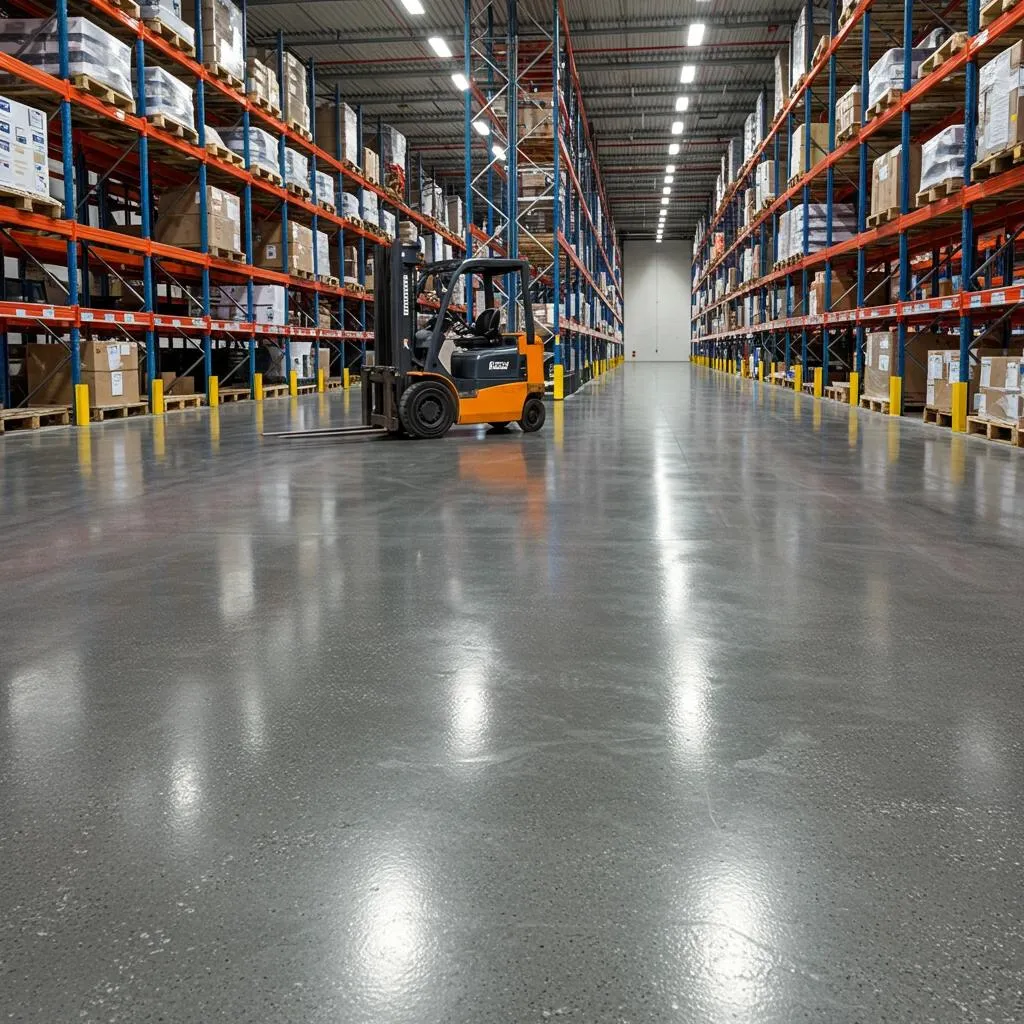
Lithium Silicate Technical Specifications
For chemical distributors and OEM concrete sealer brands, batch-to-batch consistency is critical. Our ISO 9001 certified facility ensures strict control over SiO₂/Li₂O molar ratios and density, preventing formulation failures during your secondary manufacturing processes.
| Item | Specification |
|---|---|
| Appearance | Clear Liquid |
| Li₂O | 2.0% - 5.0% |
| SiO₂ | 18% - 25% |
| Molar Ratio | 3.0-4.0 |
| Density | 1.15 - 1.25 g/cm³ |
| pH | 11 - 12 |
| Solubility | Completely Soluble in Water |
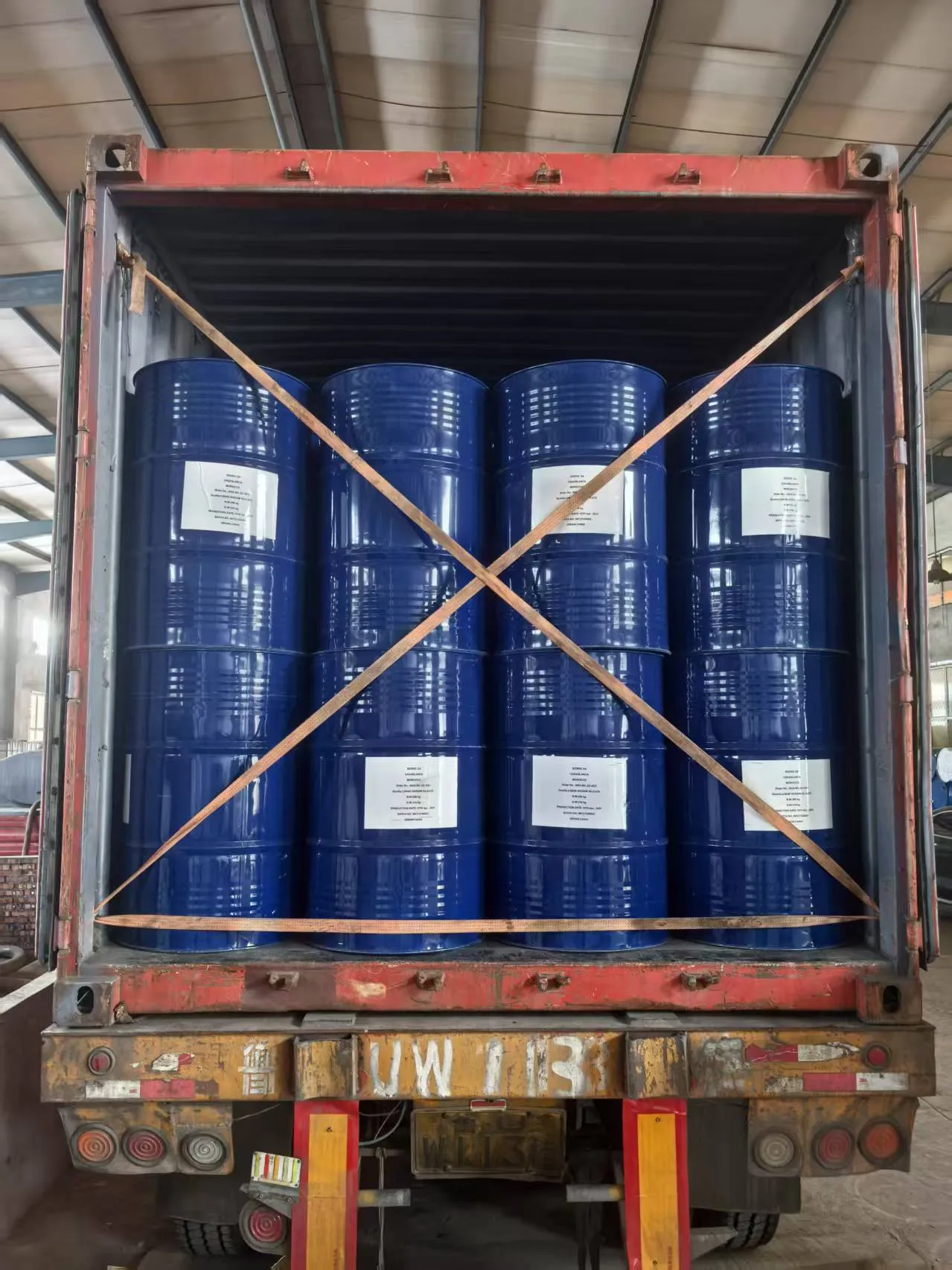
Lithium Silicate Product Range
Available in standard and concentrated formulations to suit varying logistical and application requirements.
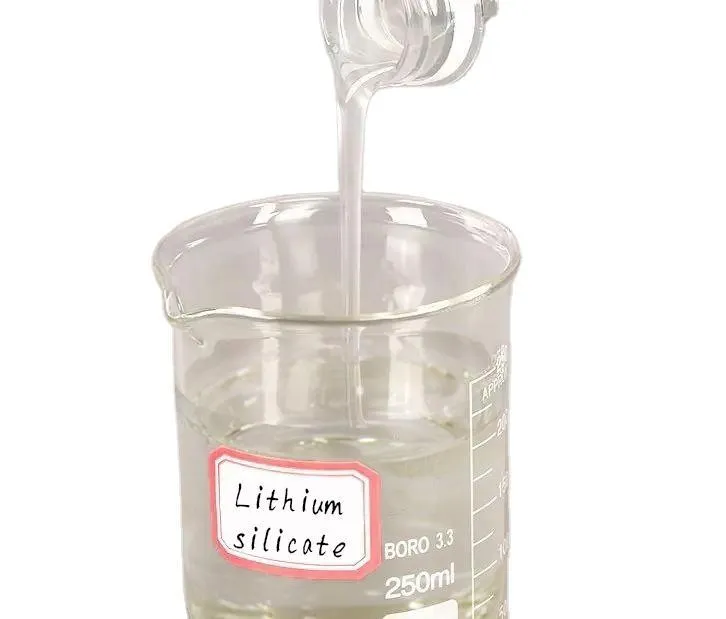
Lithium Silicate Solution
Raw material base for chemical formulators. Available in bulk IBC tanks and flexitanks. High solid content reduces international shipping costs for building material importers.
- • Concrete Densifier Manufacturing
- • Concrete Sealer Blending
- • Advanced Flooring Systems
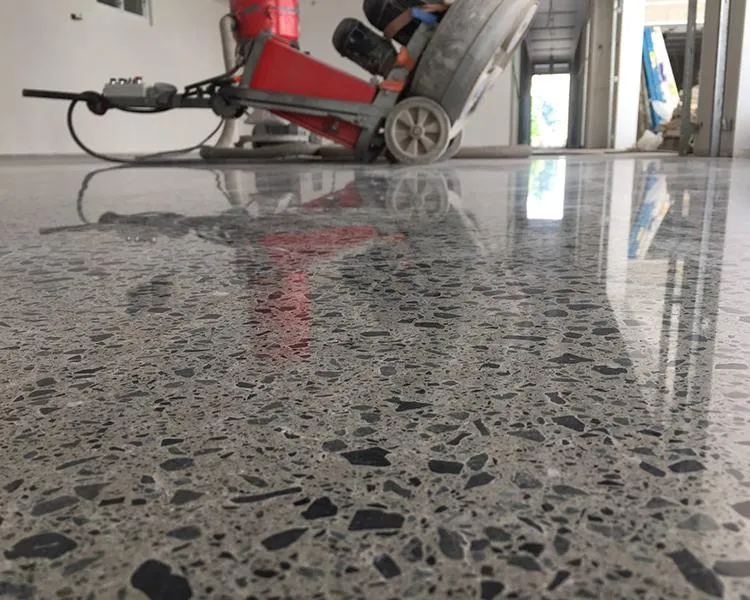
Lithium Silicate Concrete Densifier
Ready-to-use formulation engineered for direct application on polished concrete. Eliminates the need for post-application water flushing required by sodium silicates.
- • Warehouse Floors
- • Logistics Centers
- • Parking Structures
Lithium Silicate Floor Hardener
Optimized for power-troweled industrial floors. Reacts rapidly with calcium hydroxide to provide immediate surface hardening, allowing faster facility handover.
- • Manufacturing Plants
- • Commercial Retail Floors
- • Airport Hangars
What Is Lithium Silicate?
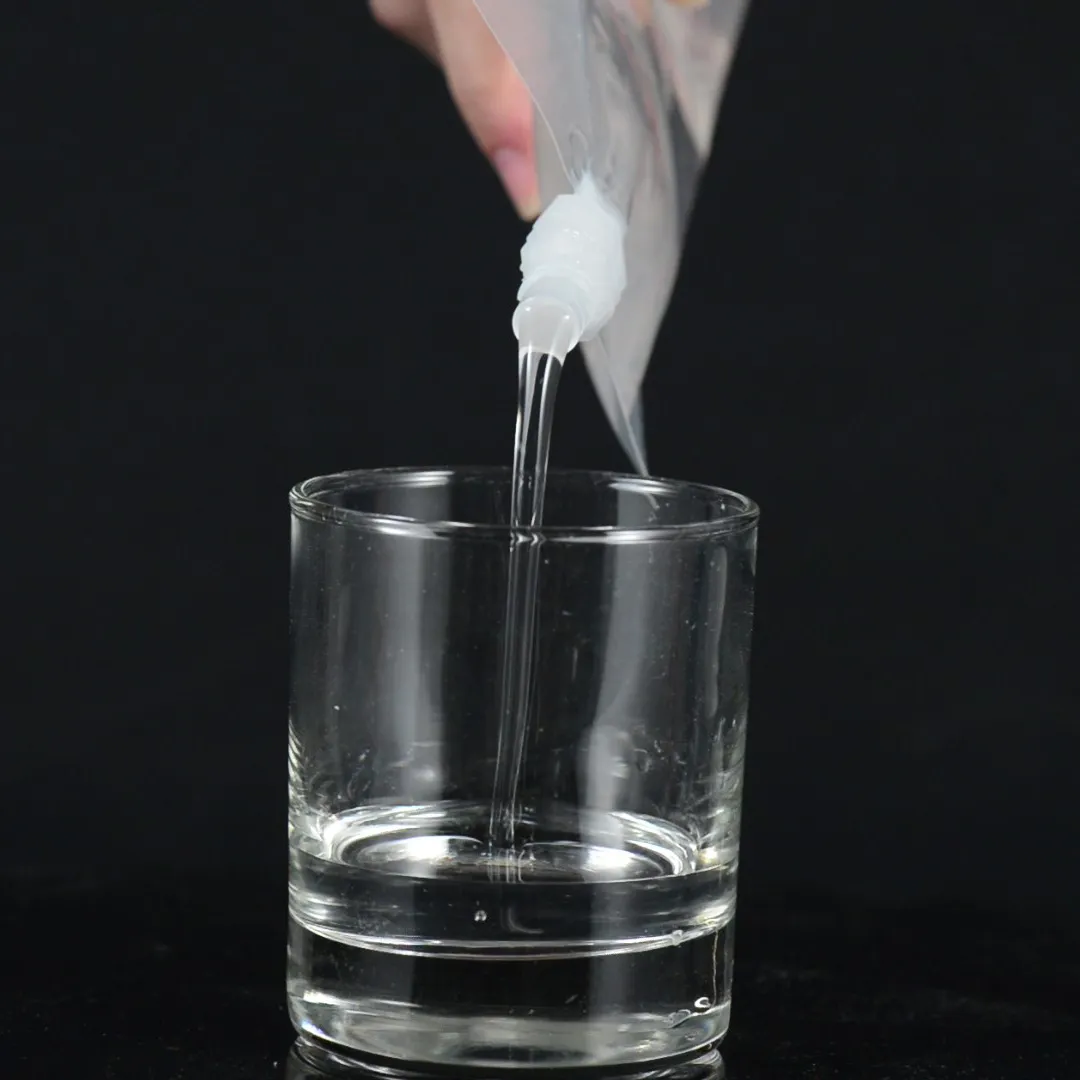
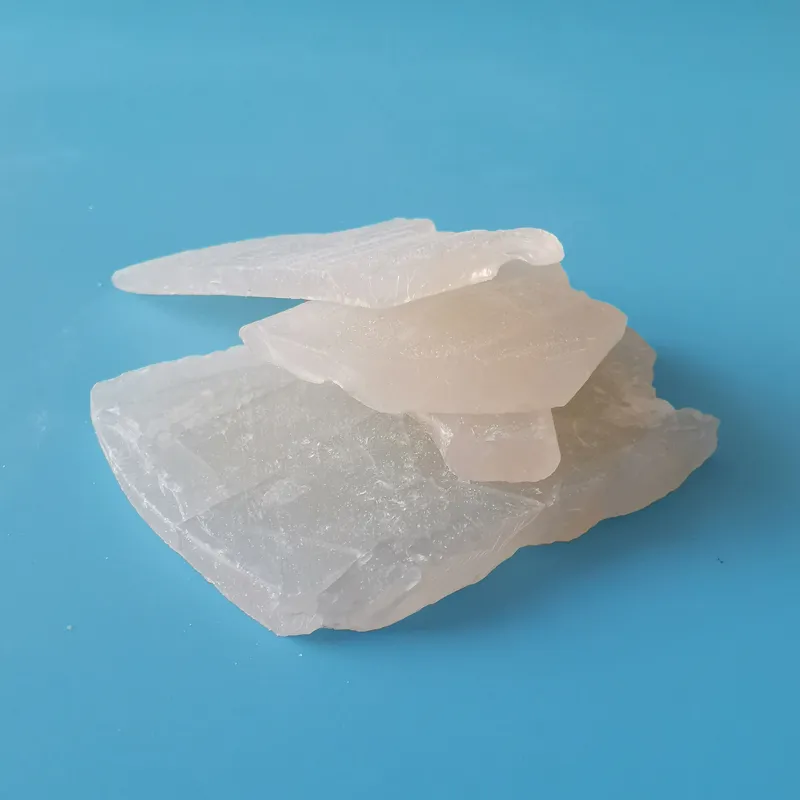
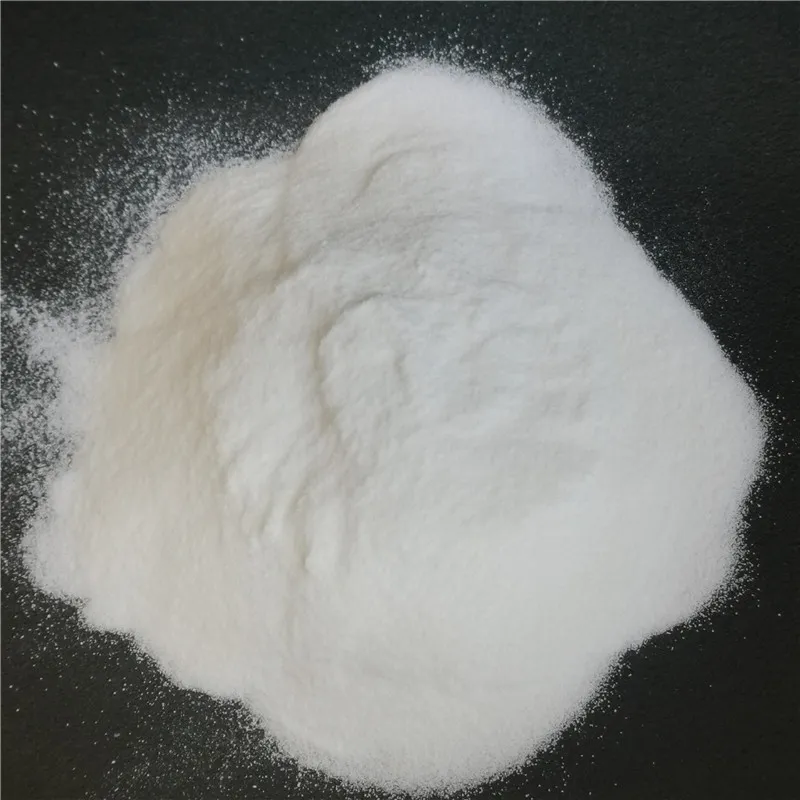
Lithium Silicate is a high-performance inorganic compound produced from lithium compounds and silica. It is commonly supplied as a clear, water-based solution and is widely used in concrete densifiers, surface hardeners, and protective treatments.
Compared with sodium silicate and potassium silicate, lithium silicate offers deeper penetration, faster reaction with concrete, and a lower risk of surface whitening. It helps improve hardness, durability, abrasion resistance, and dust-proof performance, making it ideal for industrial and polished concrete floors.
How To Choose The Right Lithium Silicate?
A guide for procurement engineers and chemical formulation managers.
Determine Application
Are you blending a concrete densifier, manufacturing welding rods, or producing zinc-rich paints? The end-use dictates the required purity.
Check SiO₂/Li₂O Ratio
The molar ratio (typically 4.0-8.5) affects reactivity and stability. Higher ratios offer better water resistance for sealers.
Evaluate Penetration
Request samples to test solid content and viscosity. Low viscosity is crucial for dense, steel-troweled concrete floors.
Verify Supplier
Ensure the factory has sufficient annual capacity (e.g., 300,000 MT) and ISO 9001 certification for mass production stability.
Lithium Silicate Applications
Versatile inorganic chemical used across construction, surface protection, and manufacturing sectors.
Concrete Densifier
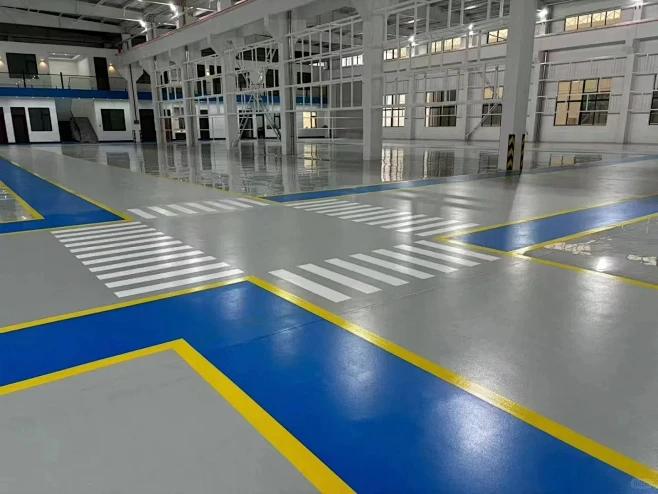
Concrete Surface Sealer
Polished Concrete Floors
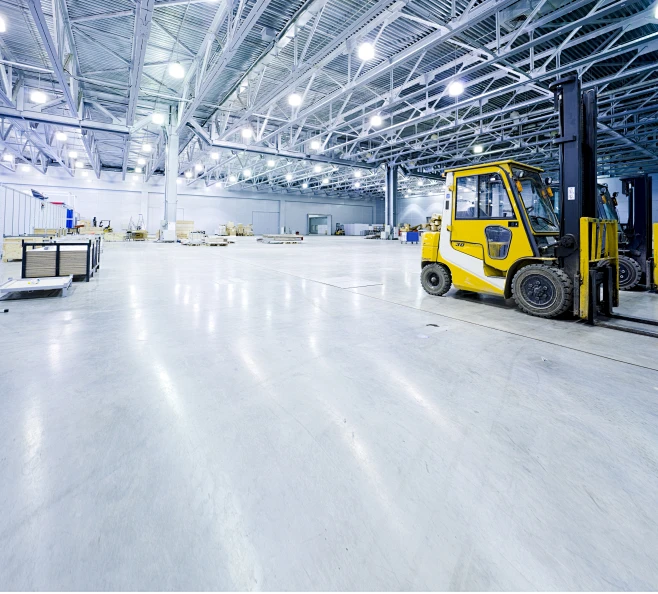
Industrial Flooring
Common Problems With Concrete Floors
Why untreated or poorly sealed concrete fails under industrial conditions.
Traditional Concrete Floors
-
❌
Dusting Free lime breaks down under tire traffic, creating airborne silica dust that damages machinery.
-
❌
Cracking & Spalling Moisture ingress freezes and expands, causing the surface layer to delaminate.
-
❌
Poor Wear Resistance Untreated surfaces quickly show rutting and aggregate exposure in high-traffic zones.
-
❌
Moisture Damage Porous structure acts like a sponge for oils, chemicals, and water, leading to deep stains.
-
❌
High Maintenance Cost Requires frequent recoating of topical sealers or epoxies which disrupt operations.
After Lithium Silicate Treatment
-
✔
Dust-Free Surface Binds free lime into a solid mass, permanently stopping concrete dusting at the molecular level.
-
✔
Increased Strength Densifies the top layer, significantly increasing compressive and flexural strength.
-
✔
Enhanced Abrasion Resistance Creates a hard, polishable surface that withstands steel-wheeled pallet jacks.
-
✔
Reduced Maintenance Smooth, dense surface is easy to clean, resisting tire marks and fluid penetration.
-
✔
Longer Service Life A one-time application that breathes with the concrete, preventing peeling or flaking.
Advantages Of Our Lithium Silicate Supply Chain
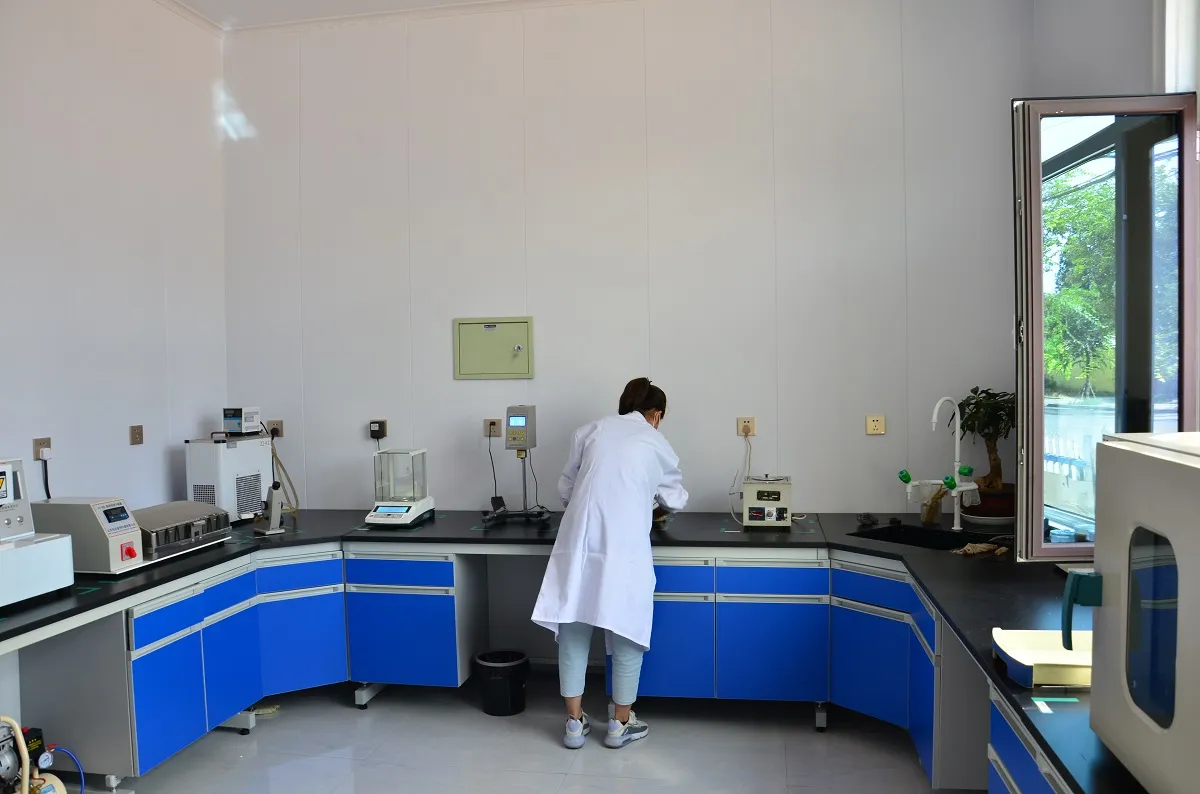
Partnering with a primary manufacturer eliminates middleman markups and ensures supply chain security. We control the process from raw silica sand to the final lithium silicate solution.
Lithium Silicate VS Sodium Silicate
Understanding which silicate base is right for your concrete formulation.
| Feature | Lithium Silicate | Sodium Silicate |
|---|---|---|
| Penetration Depth | Excellent (Up to 5mm) | Good (1-2mm) |
| Efflorescence Risk | Very Low (No flushing needed) | Higher (Requires water flush) |
| Durability & Hardness | Excellent | Moderate |
| Surface Appearance | Better (Clear, non-yellowing) | Average |
| Material Cost | Higher | Lower |
| Application Suitability | Premium Polished Concrete | General Industrial Floors |
Looking for a more cost-effective solution for standard industrial applications?
Explore Sodium Silicate ProductsFrequently Asked Questions
Technical insights on lithium silicate usage and procurement.
What is lithium silicate used for?
Is lithium silicate better than sodium silicate?
How does lithium silicate densify concrete?
What is the pH of lithium silicate densifier?
Can lithium silicate be used as a concrete sealer?
Do you provide OEM packaging?
Can I get a free sample?
Related Products
Explore our complete range of inorganic chemicals.
Looking For A Reliable Lithium Silicate Supplier?
Get Technical Support, Samples, COA, TDS And Competitive Pricing Directly From The Manufacturer. Secure your supply chain with our 300,000 MT annual capacity.
Email Us
info@changschem.comCall / WhatsApp
+86 18660630765Factory Address
WEIFANG CITY, SHANDONG PROVINCE, CHINA