
Poly Aluminium Chloride (PAC)
High-performance inorganic polymer coagulant designed to accelerate floc formation and reduce sludge volume in municipal drinking water, industrial wastewater, and paper mill effluent.
Product Overview
Molecular Formula
[Al₂(OH)nCl₆−n]m
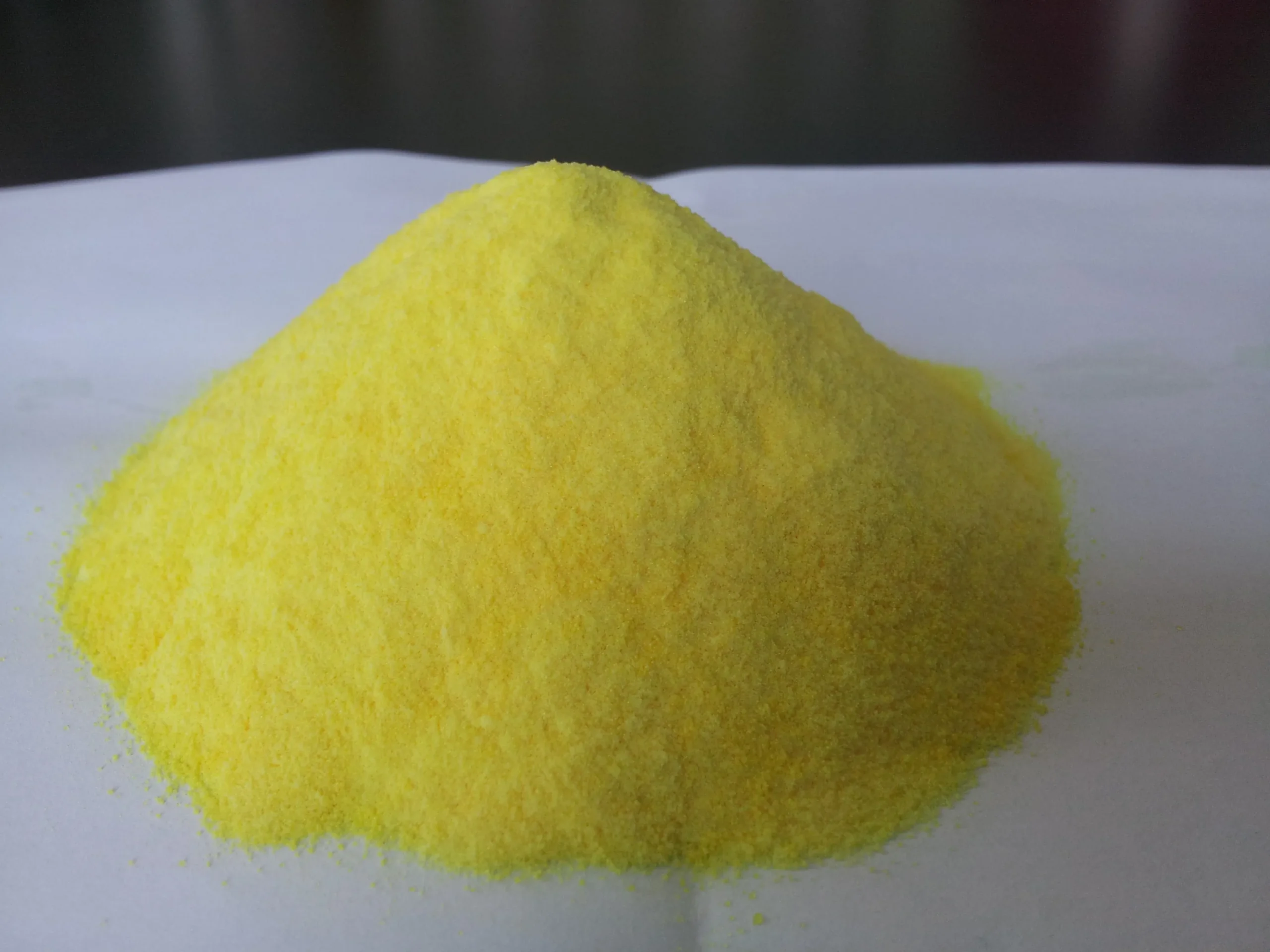
Appearance
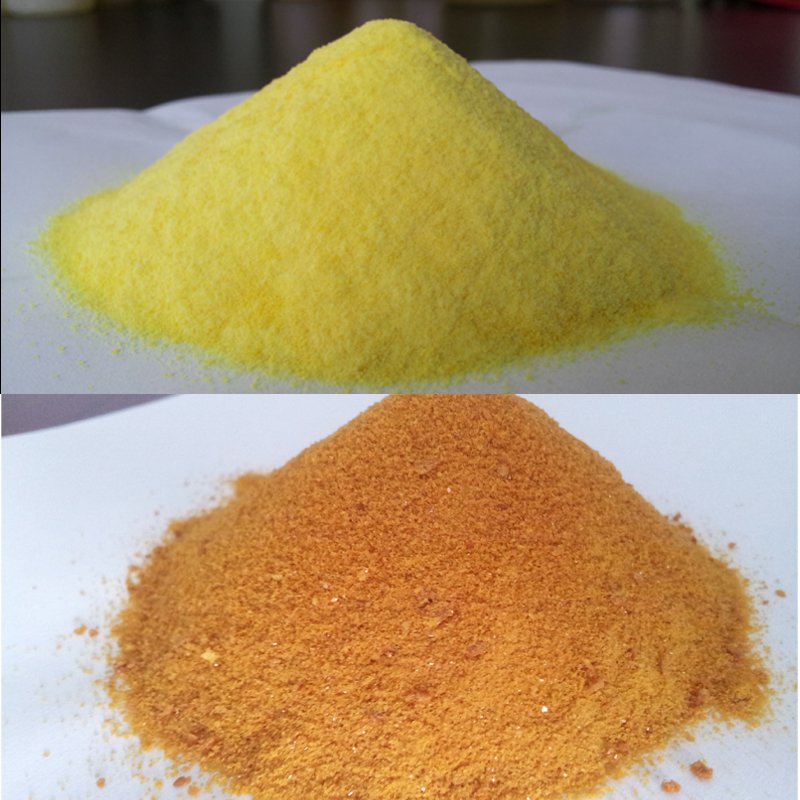
Yellow / White / Brown Powder
Standard Packaging
25kg Bags
MOQ & Supply
Depends on the specifications
Raw Water → PAC Dosing → Rapid Flocculation → Clear Effluent
What is Poly Aluminium Chloride?
Poly Aluminium Chloride (PAC) is a highly efficient water treatment chemical widely used for drinking water purification, wastewater treatment, and industrial water processing. It works as a coagulant, helping to remove suspended solids, organic matter, and impurities from water.
Compared with traditional coagulants, PAC offers faster flocculation, lower dosage requirements, and better performance across a wide pH range. Its high efficiency, low sludge production, and cost-effectiveness make it one of the most commonly used chemicals in modern water treatment systems.
-
High Coagulation Efficiency Quickly forms large flocs for effective impurity removal.
-
Wider pH Adaptability Low Dosage Requirement – Delivers excellent treatment results with reduced chemical consumption. .
Poly Aluminium Chloride Product Types
We manufacture specific PAC grades tailored to the purity requirements and budget constraints of different treatment scenarios.
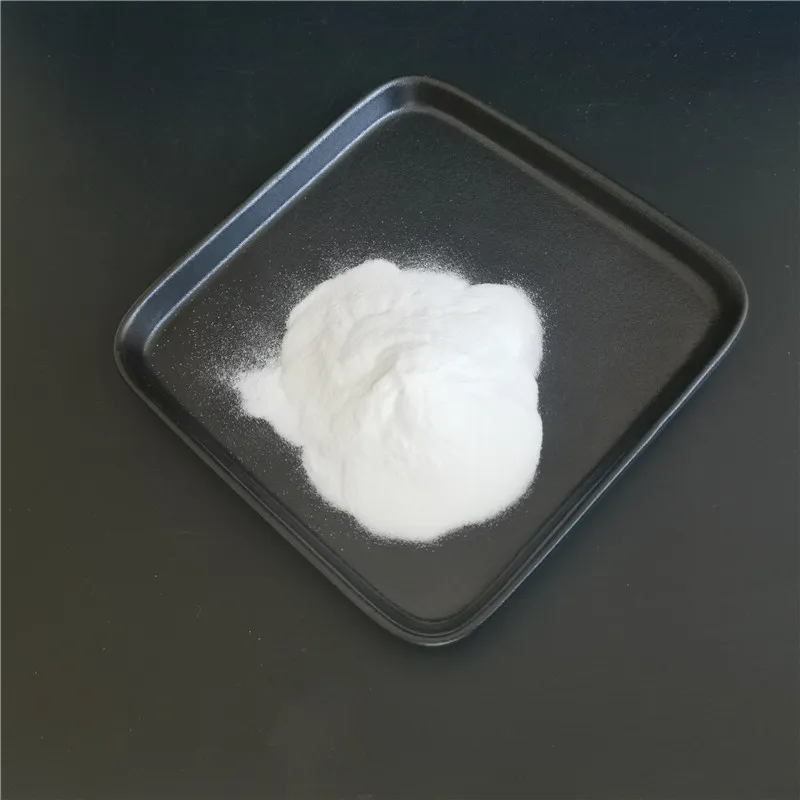
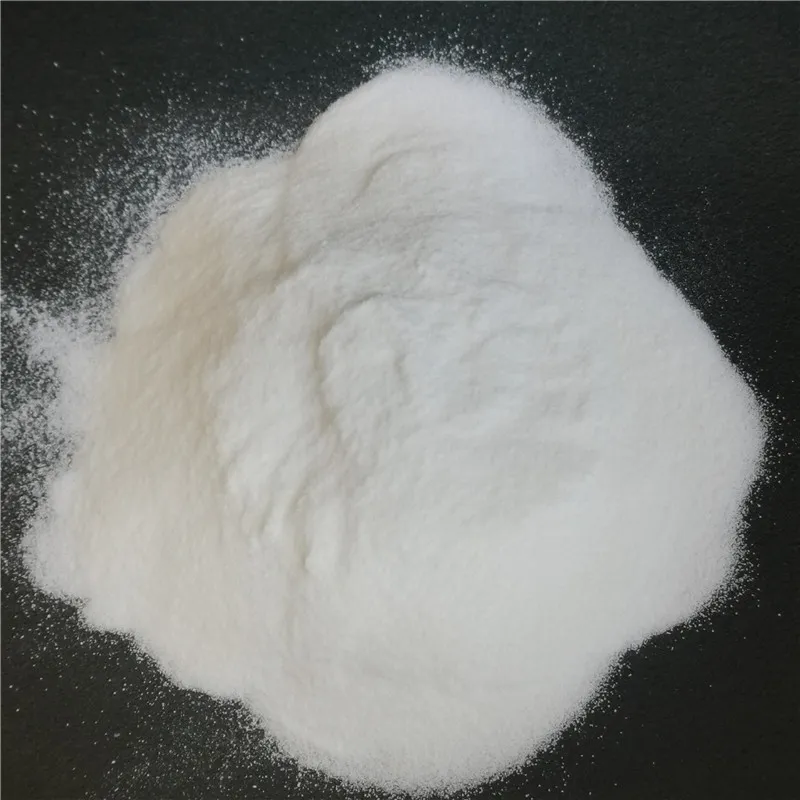
White PAC (High Purity)
- • Al₂O₃ Content: ≥ 29.5%
- • Water Insoluble: ≤ 0.1%
- • Spray dried manufacturing process
- • Free from heavy metals (Food/Pharma grade)
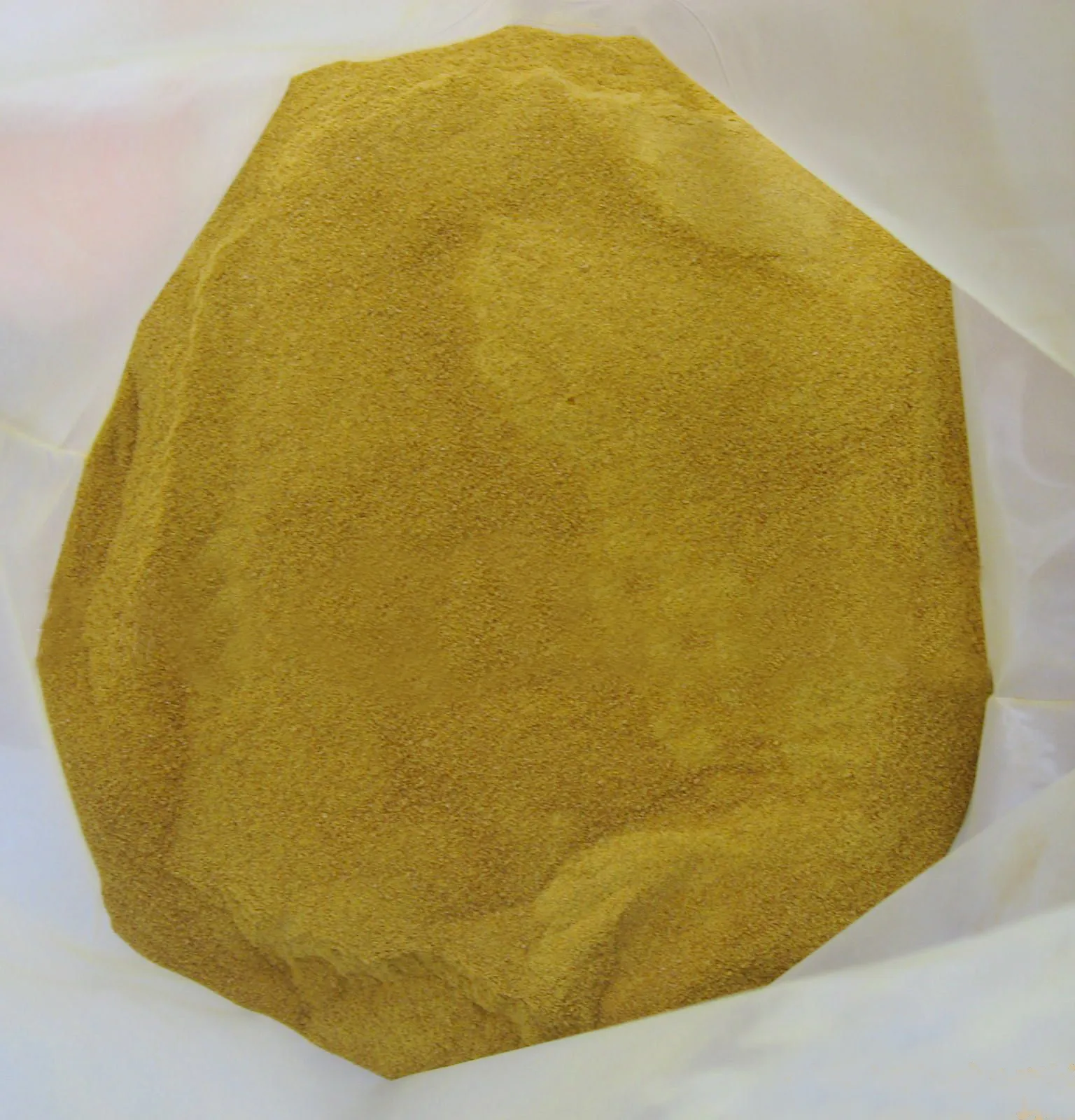
Yellow PAC (Standard)
- • Al₂O₃ Content: 28% - 30%
- • Basicity: 40% - 90%
- • Roller dried or spray dried options
- • Excellent cost-to-performance ratio
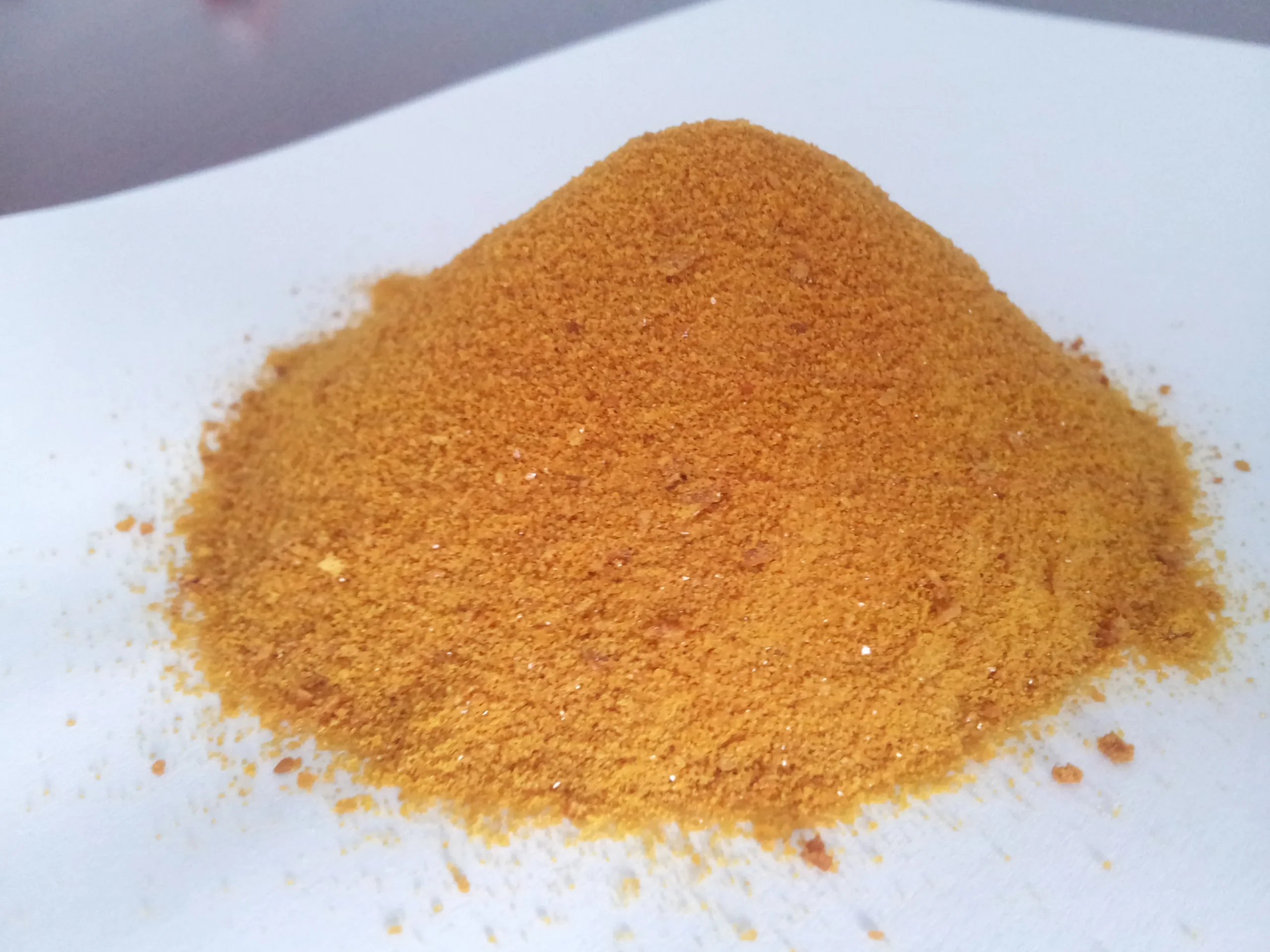
Brown PAC (Industrial)
- • Al₂O₃ Content: 26% - 28%
- • Water Insoluble: ≤ 1.5%
- • Roller dried manufacturing
- • High iron content aids in rapid settling
Poly Aluminium Chloride Specifications
| Technical Item | White PAC (Drinking Grade) | Yellow PAC (Standard Grade) | Brown PAC (Industrial Grade) |
|---|---|---|---|
| Al₂O₃ Content (%) | ≥ 29.5 | 28.0 - 30.0 | 26.0 - 28.0 |
| Basicity (%) | 40.0 - 90.0 | 40.0 - 90.0 | 40.0 - 90.0 |
| pH Value (1% water solution) | 3.5 - 5.0 | 3.5 - 5.0 | 3.5 - 5.0 |
| Water Insoluble Matter (%) | ≤ 0.1 | ≤ 1.0 | ≤ 1.5 |
| Appearance | White Powder | Light Yellow / Yellow Powder | Brown / Dark Yellow Powder |
Facing Water Treatment Challenges?
Common Operational Issues
- ✕ Slow sedimentation in low-temperature winter water, causing clarifier bottlenecks.
- ✕ High sludge production from traditional coagulants, increasing filter press and disposal costs.
- ✕ Narrow pH range requires continuous dosing of caustic soda or lime to maintain coagulation.
- ✕ Poor water clarity and residual aluminum exceeding regulatory limits.
Changs Chemical PAC Solutions
- ✓ Rapid flocculation accelerates settling velocity, increasing plant throughput without infrastructure upgrades.
- ✓ Reduced sludge volume by forming compact, dense flocs with lower water retention.
- ✓ Wide pH adaptability (5.0-9.0) eliminates or drastically reduces the need for pH adjustment chemicals.
- ✓ Lower chemical dosage required compared to Alum, lowering overall operational expenditure (OPEX).
Poly Aluminium Chloride Applications
Formulated to meet specific purity and performance requirements across diverse industrial sectors.
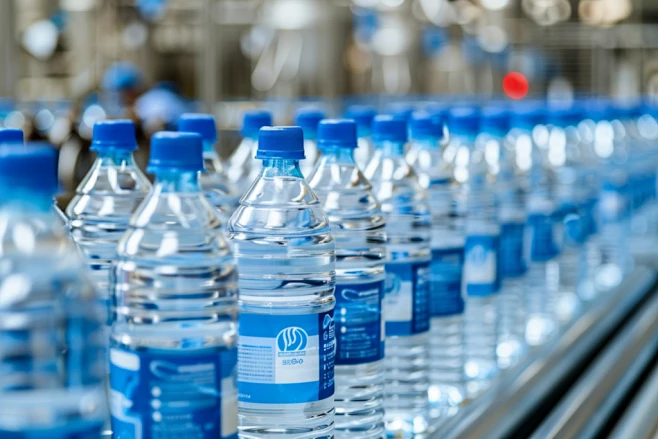
Drinking Water Treatment
White PAC effectively removes turbidity, algae, and color while keeping residual aluminum below 0.2mg/L.
View Solution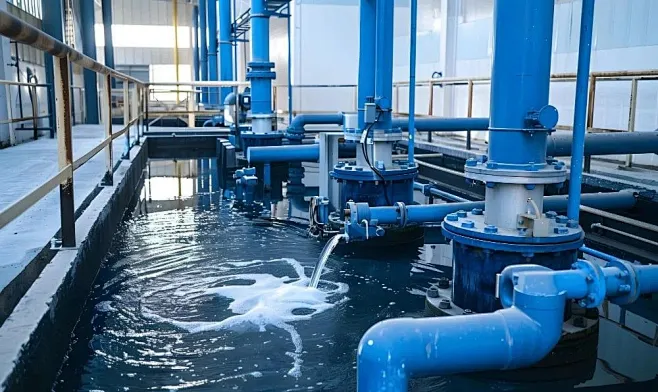
Municipal Wastewater
Yellow PAC rapidly reduces COD, BOD, and suspended solids (SS) in primary sedimentation tanks.
View Solution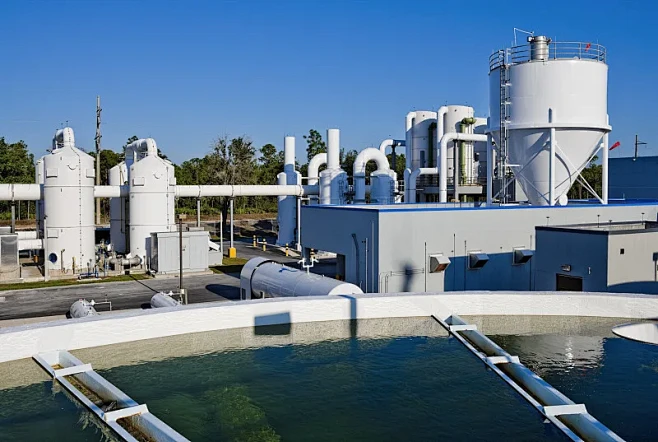
Industrial Circulating Water
Prevents scale and sludge buildup in cooling towers and heat exchangers.
View Solution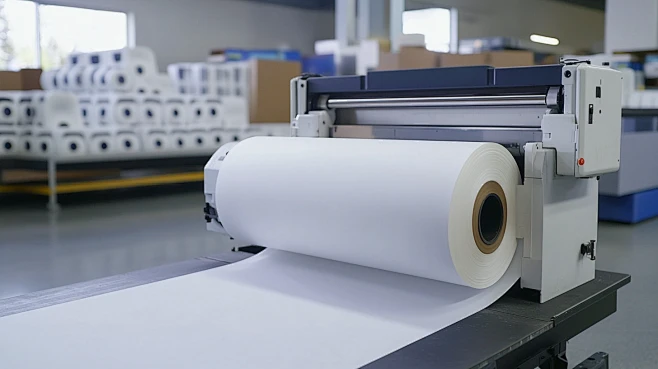
Paper Industry
Acts as a sizing precipitant and retention aid, improving paper strength and reducing machine downtime.
View Solution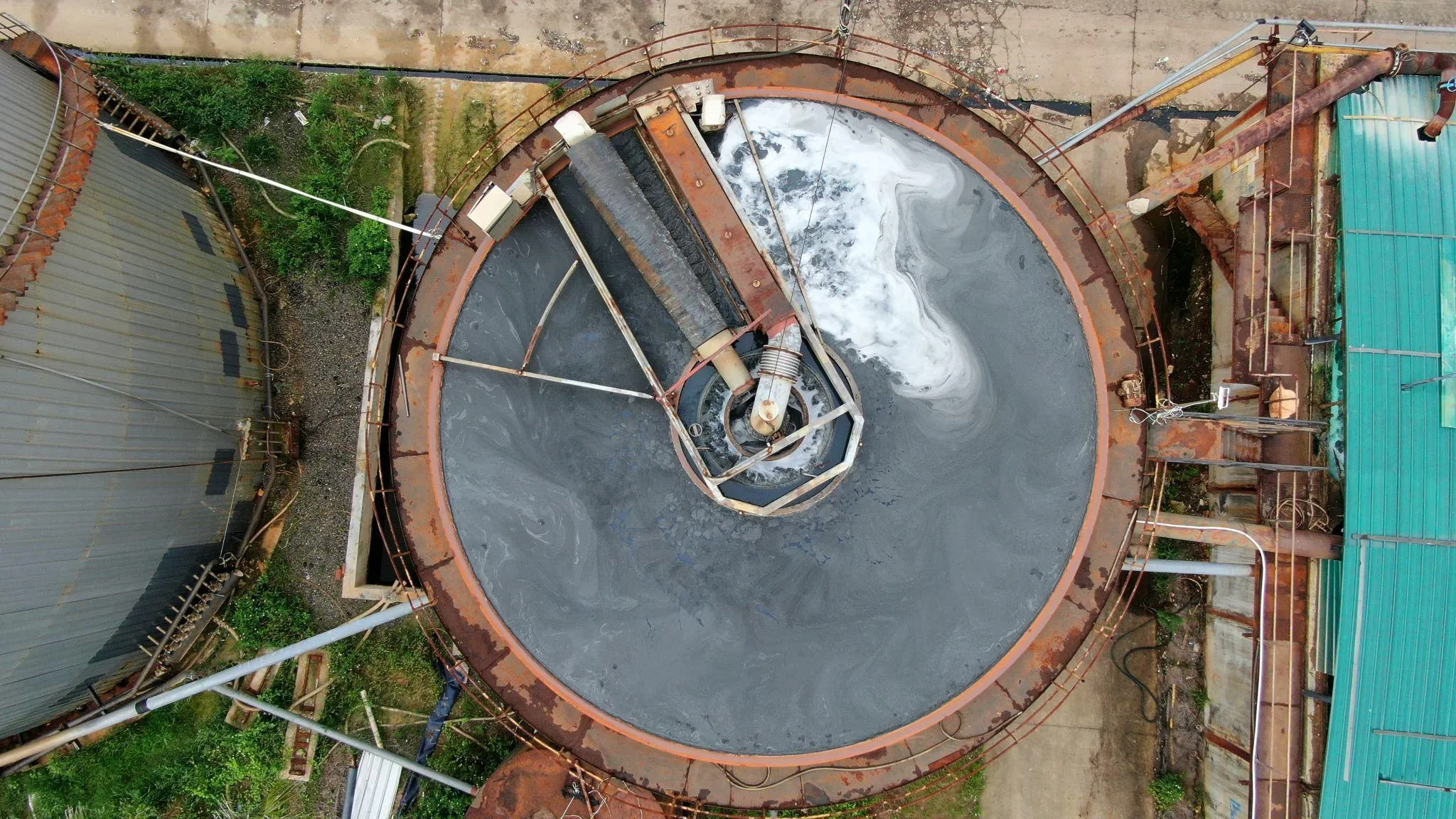
Textile & Dyeing
Highly effective in decolorizing dyeing wastewater and breaking down complex organic compounds.
View Solution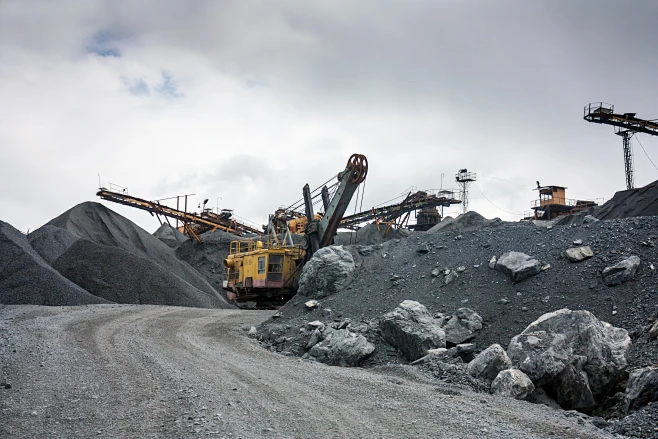
Mining & Mineral Processing
Brown PAC accelerates the separation of coal powder and water, allowing for efficient water recycling.
View SolutionHow to Choose Poly Aluminium Chloride
Select the appropriate grade of PAC based on your specific water treatment application to ensure optimal coagulation efficiency and cost-effectiveness.
Drinking Water
- Al₂O₃ ≥ 29.5%
- High purity, low heavy metals
Municipal Wastewater
- Al₂O₃ 28-30%
- Balanced cost & performance
Industrial Wastewater
- Broad pH application
- Handles complex effluents
Mining Wastewater
- Rapid flocculation
- Excellent for high turbidity
PAC vs Aluminum Sulphate
While Aluminum Sulphate (Alum) has been a traditional standard, plant operators are increasingly migrating to Poly Aluminium Chloride. Because PAC is pre-polymerized, it bypasses the initial hydrolysis step required by Alum, resulting in immediate charge neutralization.
Conclusion: PAC generally provides higher treatment efficiency and lower overall operating costs (OPEX) due to reduced dosage and sludge management savings.
| Comparison Factors | Poly Aluminium Chloride (PAC) | Aluminum Sulphate (Alum) |
|---|---|---|
| Flocculation Speed | Faster (3-5 mins) | Slower (10-15 mins) |
| Chemical Dosage | Lower (approx. 30-50% less) | Higher |
| Optimal pH Range | Wider (5.0 - 9.0) | Narrow (5.5 - 7.5) |
| Sludge Volume | Lower (dense flocs) | Higher (fluffy, high water content) |
| Alkalinity Consumption | Low (rarely needs lime) | High (often requires alkalinity addition) |
Packaging & Shipping Solutions
The packaging can be customized according to your requirements.
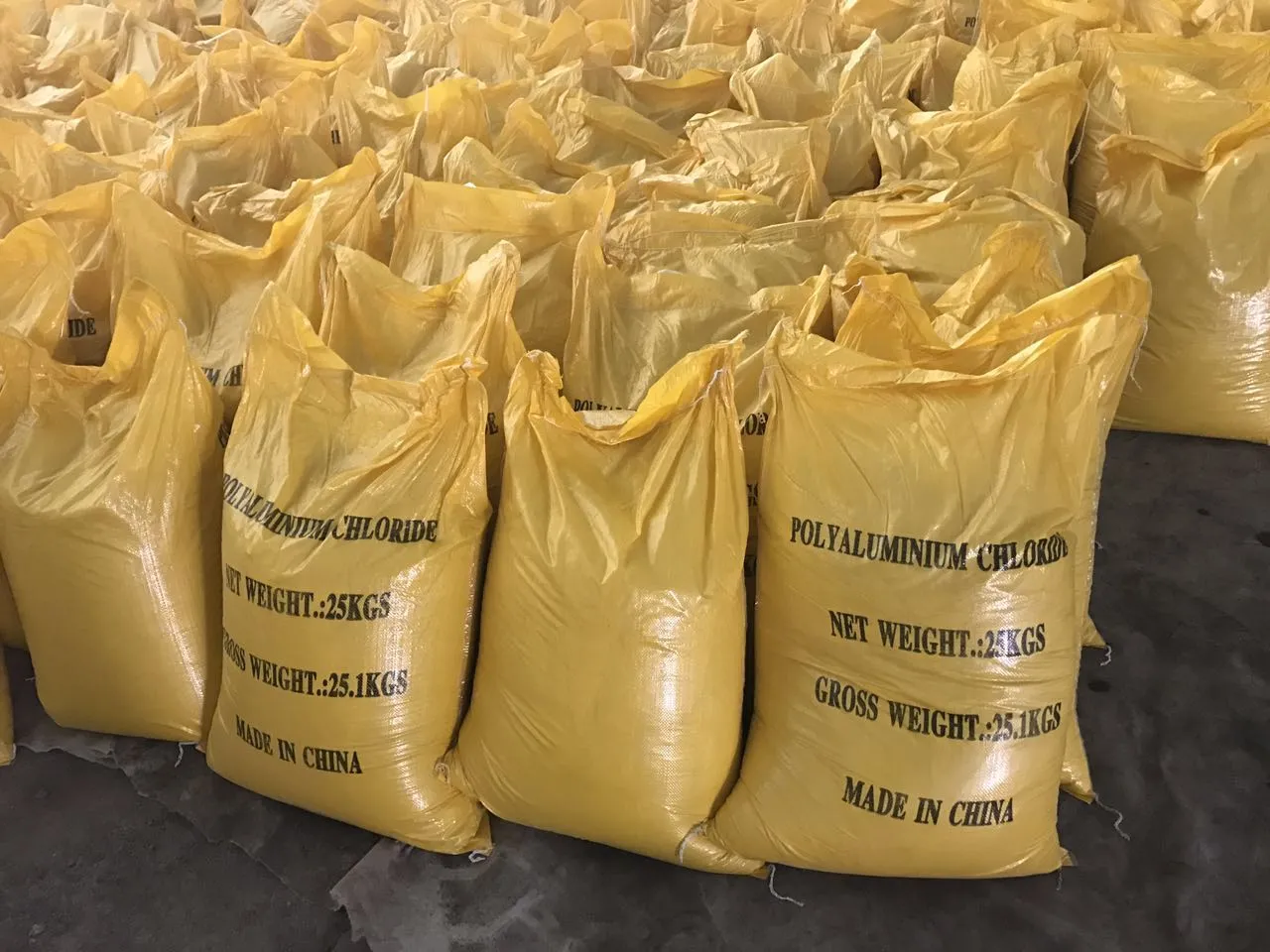
Standard packaging
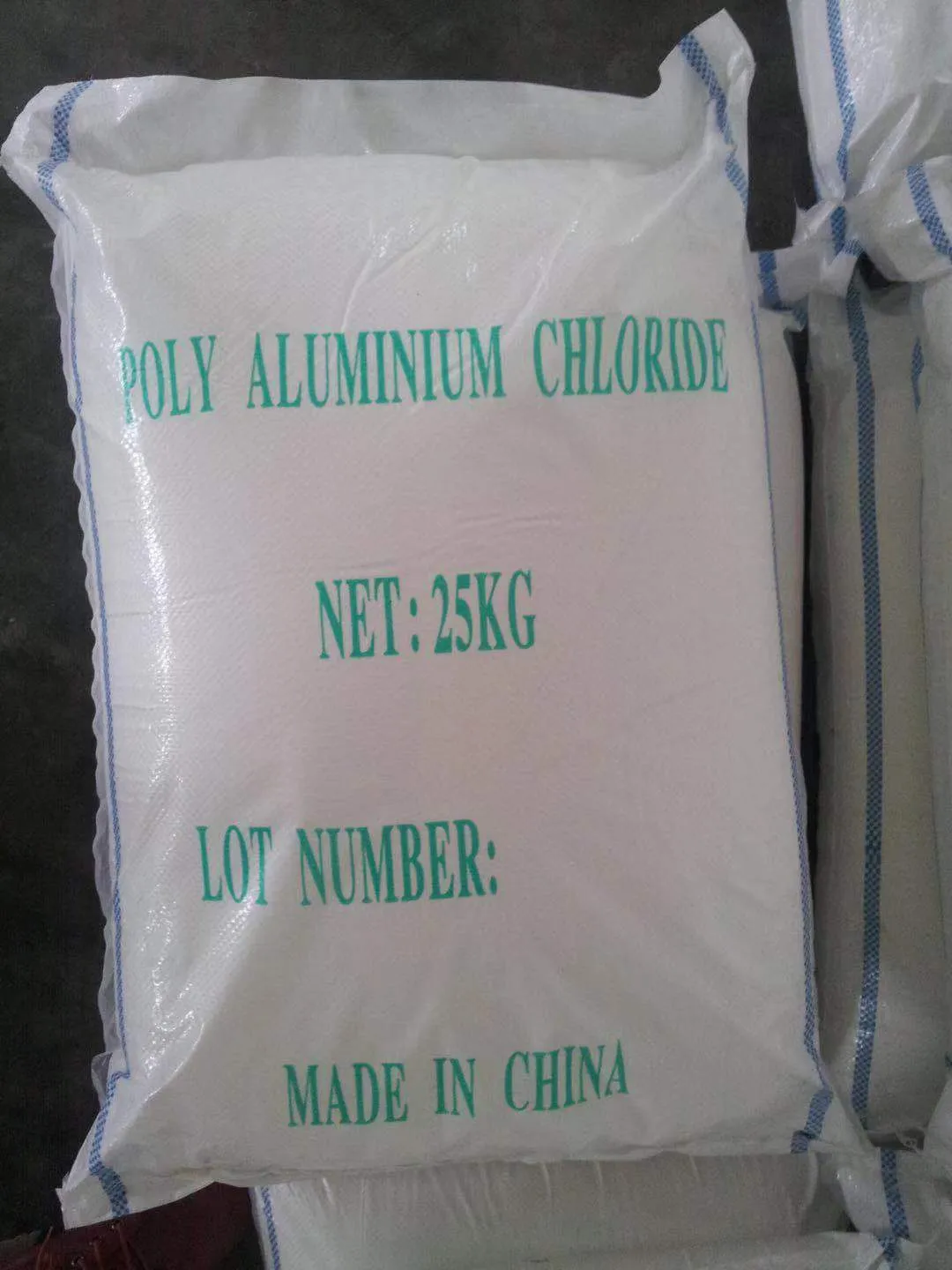
25kg White Bag
25kg Yellow Bag
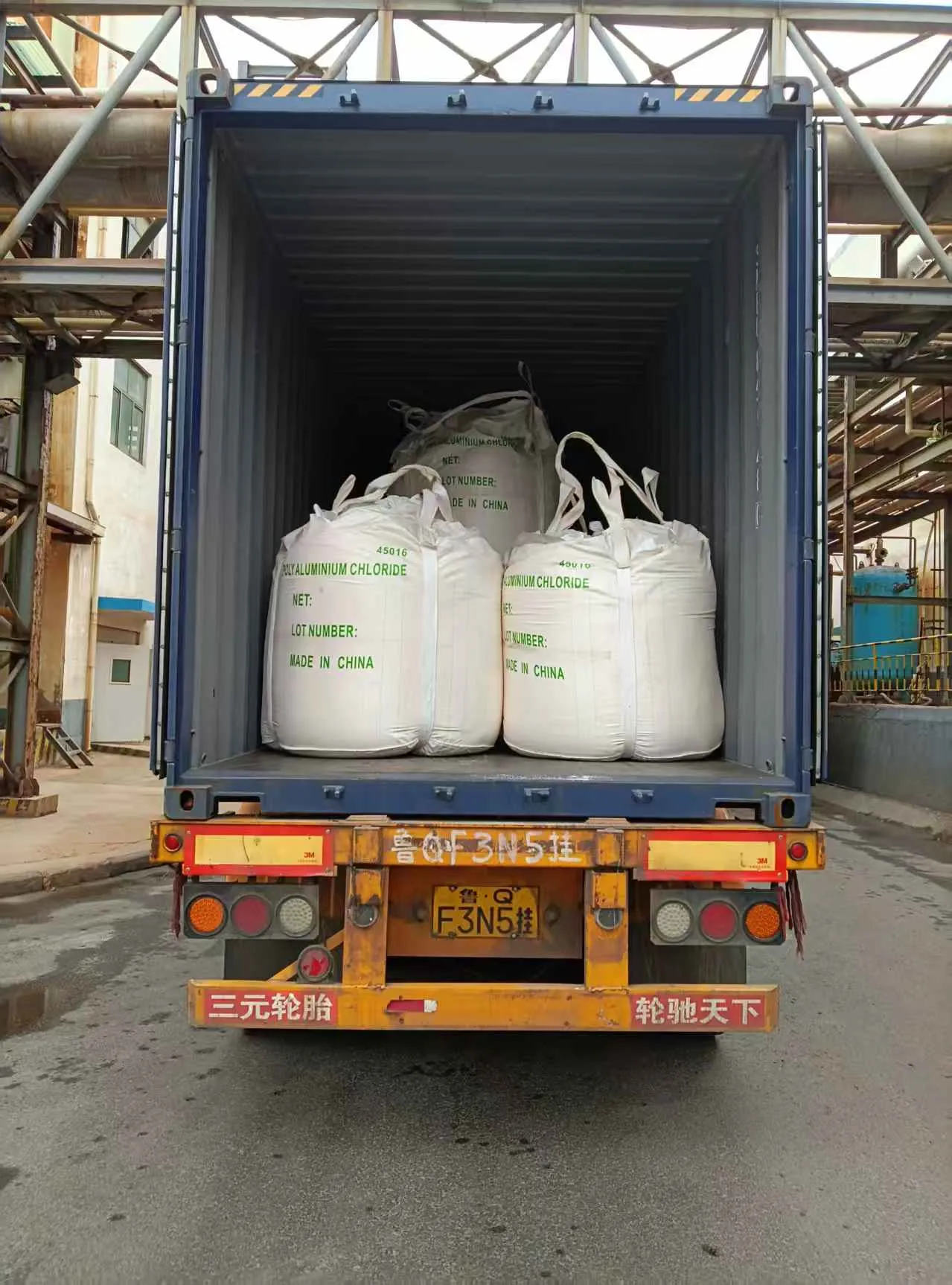
PAC Container Loading
Global Shipping & Transport
Weifang Changs Chemical Industry Co.,Ltd ensures your cargo reaches you safely and on schedule. Our comprehensive logistics network supports flexible freight options tailored to your supply chain requirements.
Railway Transport
Efficient overland routes for safe and steady continental delivery.
Sea Freight
Cost-effective container shipping from major seaports worldwide.

Need a customized packaging or shipping solution?
Email us : info@changschem.com | Phone number: +86 186 6063 0765

Why Choose Changs Chemical
We operate one of the largest specialized silicate manufacturing bases, ensuring supply chain resilience for our global B2B partners.
300,000 MT
Annual Capacity
30+
Years Experience
50+
Export Countries
200+
Global Customers
Frequently Asked Questions
What is Poly Aluminium Chloride used for?
What Al₂O₃ content should I choose?
Is PAC suitable for drinking water?
How much PAC should be added? (Dosage)
Can I get free samples before placing a bulk order?
Related Water Treatment Chemicals

Looking for a Reliable PAC Supplier?
Get technical support, competitive factory-direct pricing, and stable supply for your water treatment projects. Send us your required specifications or application details.
